The Legal Education Café
Better conversations can
change the way we teach law.
The Legal Education Café is where I share what I’ve learned about seeing legal education from the learner’s perspective: listening to students, understanding the problems they encounter and working with them to make things better.
It brings together the ideas, projects, research and practical changes that have grown from that work, so that other educators can use, adapt and build on them too.
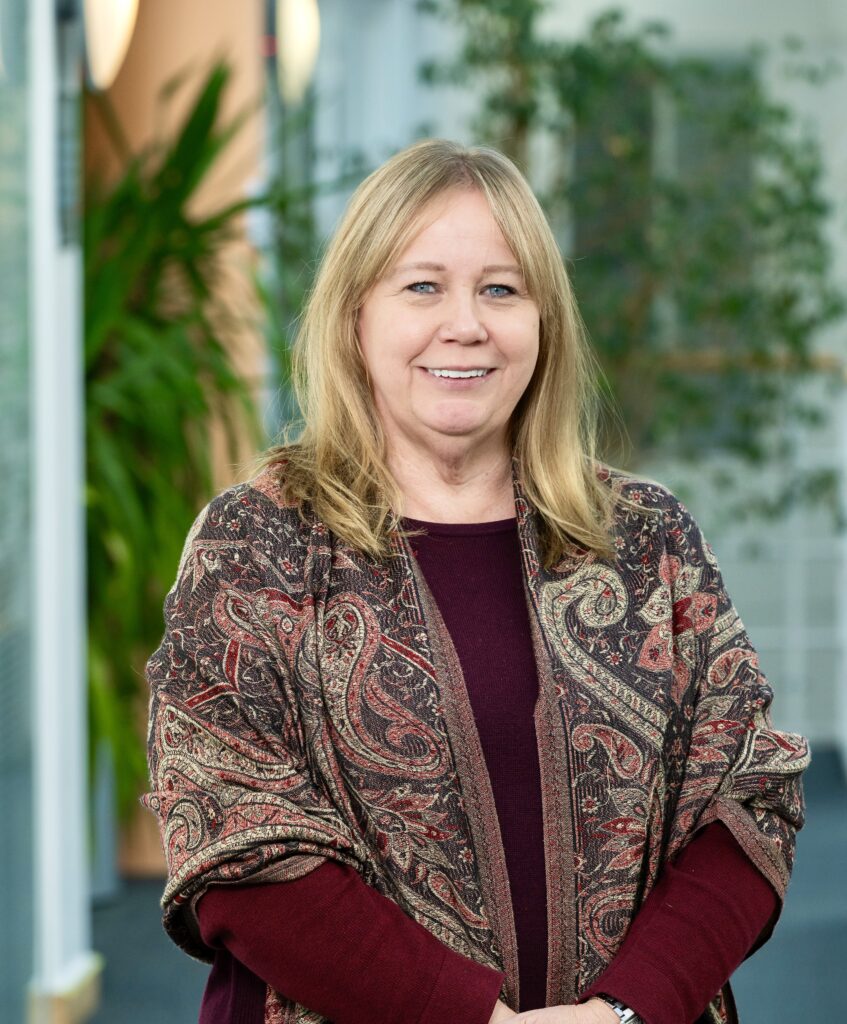
Emily Finch
I want students to feel powerful and brave as learners.
The method
That's where the World Café comes in.
I think of the World Café as a conversational way of finding and solving problems.
It gives me a way to see today’s world of legal education from the point of view of a student. It shows me what is working and what isn’t and, crucially, allows students and me to explore how we might improve the bits that aren’t working.
What is the World Café?
A conversational approach that creates the conditions for people to explore questions that matter through a series of small-group conversations.
How does it work?
I use carefully framed questions, small-group conversations, movement between tables and visual mapping to let insights develop and connect.
How do I make sense of it?
Why use it with students?
Because students can tell us things about their experience that conventional evaluation often misses – and they can help us design better responses.
Student voice
FEATURED CASE STUDIES
What have I learned by listening?
These case studies show what can happen when we create space for students to talk. Those conversations can reveal problems, help us understand them more clearly and allow us to explore what might make things better.
They are at different stages. Some ideas have been put into practice while others are still being refined. Some conversations have uncovered difficult challenges without easy solutions. These need more thought, reflection and, possibly, another World Café before we can see what meaningful changes might look like.
But that is all part of the process. Sometimes a conversation helps us address the problem we brought into the room. Sometimes it shows us that the problem is bigger or different from what we thought. Conversations do not always give us easy answers but they nearly always help us ask better questions.

FORMATIVE ASSESSMENT
Formative assessment and feedback
I was puzzled by low submission rates for formative assessment. I assumed that students were busy and reluctant to spend time on work that did not count towards their final mark. The World Café showed me that the problem was more complicated and far more human.
Explore the case study →
STUDENT ANXIETY
Understanding anxiety in legal education
Conversations about formative assessment revealed something larger: students were talking about anxiety across their studies and wider university life. I used further World Café sessions to explore what was making students anxious and what we might do to support them better.
Explore the case study →
A conversation becomes most powerful when it changes what happens next.
01
Listening
02
Learning
03
Making
04
Refining
05
Sharing
Ideas AND Resources
What I'm learning, making and sharing.
I’ve learned too much from these conversations to keep it to myself. This is where I’ll collect the articles, conference materials, practical resources and teaching ideas that grow from the work.
Articles and publications
Research and writing about legal education, student experience and the World Café.
Conference papers
Presentations and materials from work shared with other legal educators.
Practical resources
Things you will be able to use, adapt and try in your own teaching.
Current thinking
A home for shorter reflections on questions I’m still puzzling over.
About me
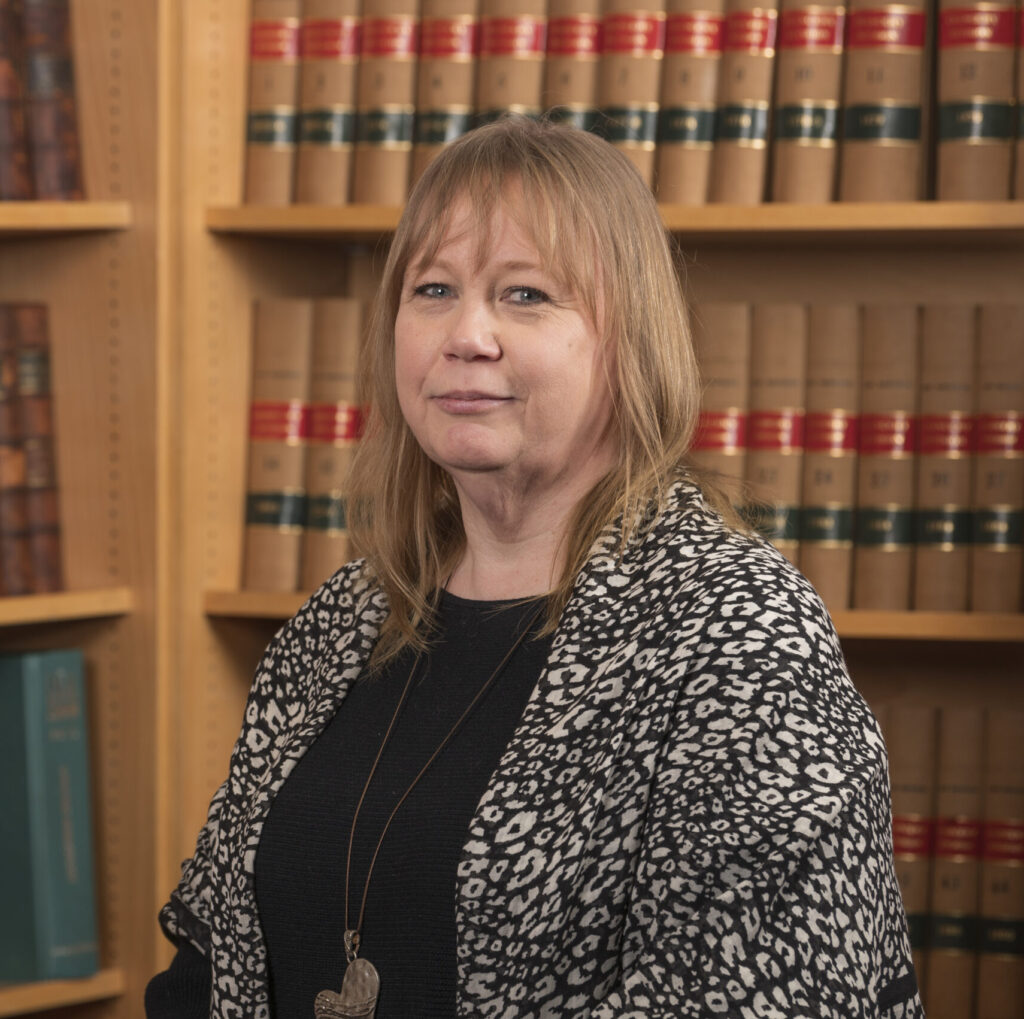
I never set out to be a teacher.
I had a PhD studentship that required me to teach and so I had to teach. That was the beginning of a career-long love affair with teaching.
I want to give students a spark of interest in the law that burns bright in their minds after class has finished.
WORK WITH ME
What could we do together?
If anything you’ve seen on the site has made you think about a question you would like to explore with your own students or colleagues, I’d be very happy to talk about what a World Café might make possible.
START THE CONVERSATION →